
Building Brand Identity Before You Code
Design decisions are easier when you’ve got a clear brand direction. We walk through colors, typography, and voice that actually feel right.
Why Brand Comes First
Here’s the thing: most startups jump straight into building websites without spending time on brand. They pick colors that look nice, write copy that sounds professional, and launch something that looks… generic. It’s not terrible, but it doesn’t feel like them.
We’ve watched this happen dozens of times. A few months in, the founder realizes the site doesn’t match who they actually are. The colors feel off. The voice sounds corporate when they’re scrappy. The whole thing needs redesigning.
Spending a week on brand before you code saves you weeks of rework later. You’ll make faster design decisions. Your team will communicate more clearly. And honestly? Your site will just feel right.


Start With Color Psychology
Color isn’t just aesthetic. It’s the first thing people feel about your brand, sometimes before they even read a word. And yes, it matters more than you think.
If you’re building a fintech startup, using bright neon pink might make sense for Gen Z audiences, but it’ll feel risky to investors. If you’re a wellness coach, navy blue reads corporate. Teal reads modern. Green reads natural. These associations exist whether we like it or not.
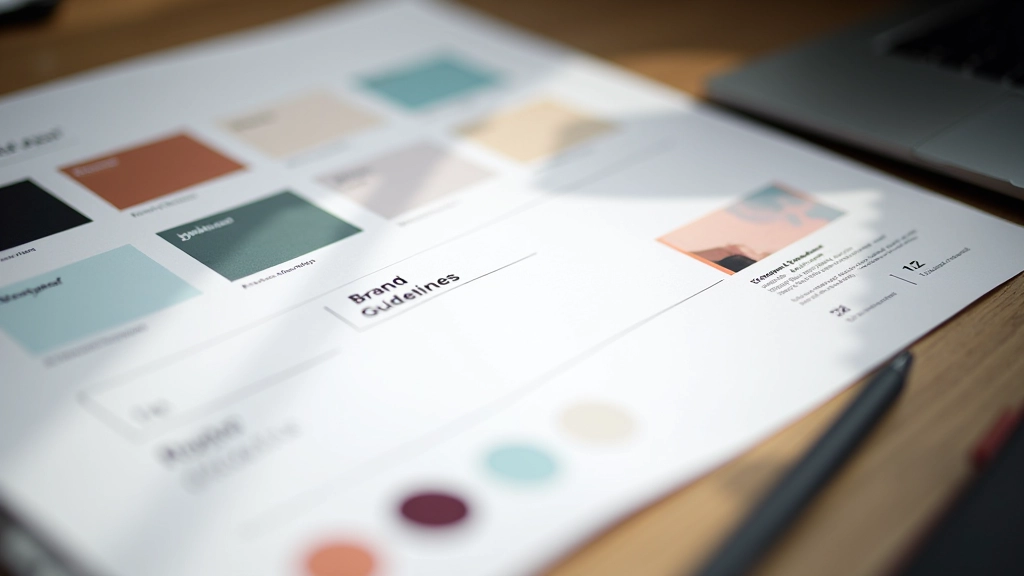
Pick your primary color based on what you want people to feel. Then add 2-3 supporting colors that work together. Don’t go overboard—we’ve seen startups with 8 brand colors. That’s chaos. Three colors work. Four maximum.
Write down your color choices with hex codes and where they appear: primary for buttons and headers, secondary for accents, neutral for backgrounds and text. This becomes your reference document.
Typography Shapes Your Personality
Font choices are surprisingly personal. A geometric sans-serif like Helvetica feels clean and corporate. A rounded sans-serif like Sohne feels friendly and approachable. A serif font feels traditional and trustworthy.
You’ll need two fonts: one for headings and one for body text. They don’t have to match perfectly—in fact, contrast can look better. Just make sure they work together. A sharp geometric heading with a warm serif body text creates interesting tension. A rounded heading with a clean sans-serif body feels cohesive and modern.
Set your type scale too. If your base paragraph text is 16px, what’s your h1? Your h2? Your small text? Create a consistent hierarchy that you’ll use everywhere. Most designers use ratios like 1.125 or 1.25 between sizes. It sounds technical but it just means each heading is that multiple bigger than the one below it.
Test readability. Open Google Fonts, pick two fonts that appeal to you, and render them at actual sizes. Does the heading read well? Is the body text comfortable to read for a full paragraph? If it’s not comfortable at 16px, make it 18px. Readability beats aesthetic every time.

Define Your Brand Voice
How you write matters as much as what you write. Your brand voice is the personality in your words. Are you formal or casual? Funny or serious? Jargon-heavy or plain English?
Write down 3-5 words that describe how you want to sound. Are you “confident and direct”? “Friendly and approachable”? “Expert and authoritative”? These guide everything you’ll write on your site later. They keep you consistent.
Then test it. Write your homepage hero text twice—once in the voice you want, once in a generic corporate voice. Which one sounds like you? Which one would you want to read? That’s your signal.
Voice is where startups often fail. They’ll describe themselves with the same buzzwords as every other company in their space. “We’re passionate about innovation.” No you’re not. You’re building something specific because you saw a problem. Say that instead. People connect with realness, not corporate speak.
Putting It All Together
Create a Brand Brief
Write a one-page document with your mission, your audience, your personality, and your values. This becomes your north star. Everything else follows from this.
Build Your Color System
Pick your primary, secondary, and neutral colors. Write down hex codes. Decide where each color appears: buttons, backgrounds, accents, text. Document it in a shared file everyone can access.
Choose Your Fonts
Pick a heading font and a body font. Set your type scale—what’s h1 vs h2 vs body text? Test readability. This becomes your typography guide for all future projects.
Write Your Voice Guide
Document your tone in 3-5 words. Write 2-3 example sentences showing how you’d describe your product. This helps anyone writing copy stay on brand.
Pro tip: Keep this all in one place. Google Doc, Figma file, whatever. When you’re coding your site or writing your first blog post, you’ll reference this constantly. Make it easy to find.
Your Foundation Is Set
You’ve now got what most startups don’t: clarity. You know how you want to look, sound, and feel. You’ve got colors, typography, and voice guidelines. When your designer or developer asks “what color should this button be?” you won’t guess. You’ll open your brand guide and know immediately.
This investment pays off immediately. Your website will come together faster. Your team will communicate with fewer misunderstandings. Future projects—social media, email, product design—will stay consistent. And when you eventually rebrand in a few years, you’ll know exactly what to change because you documented everything.
Start here. Spend the time. Build the guide. Then code with confidence.



About This Guide
This article provides educational information about brand identity development for startups. Every project is unique, and your specific needs may vary based on your industry, target audience, and business goals. We recommend consulting with professional designers and brand strategists for personalized guidance on your brand identity. The techniques and suggestions here are based on common practices in startup web design and should be adapted to your particular circumstances.